Material guide
Viscose
Viscose in furniture: Soft, drapey and often slightly lustrous, with strong colour depth.
4 product families
7 options
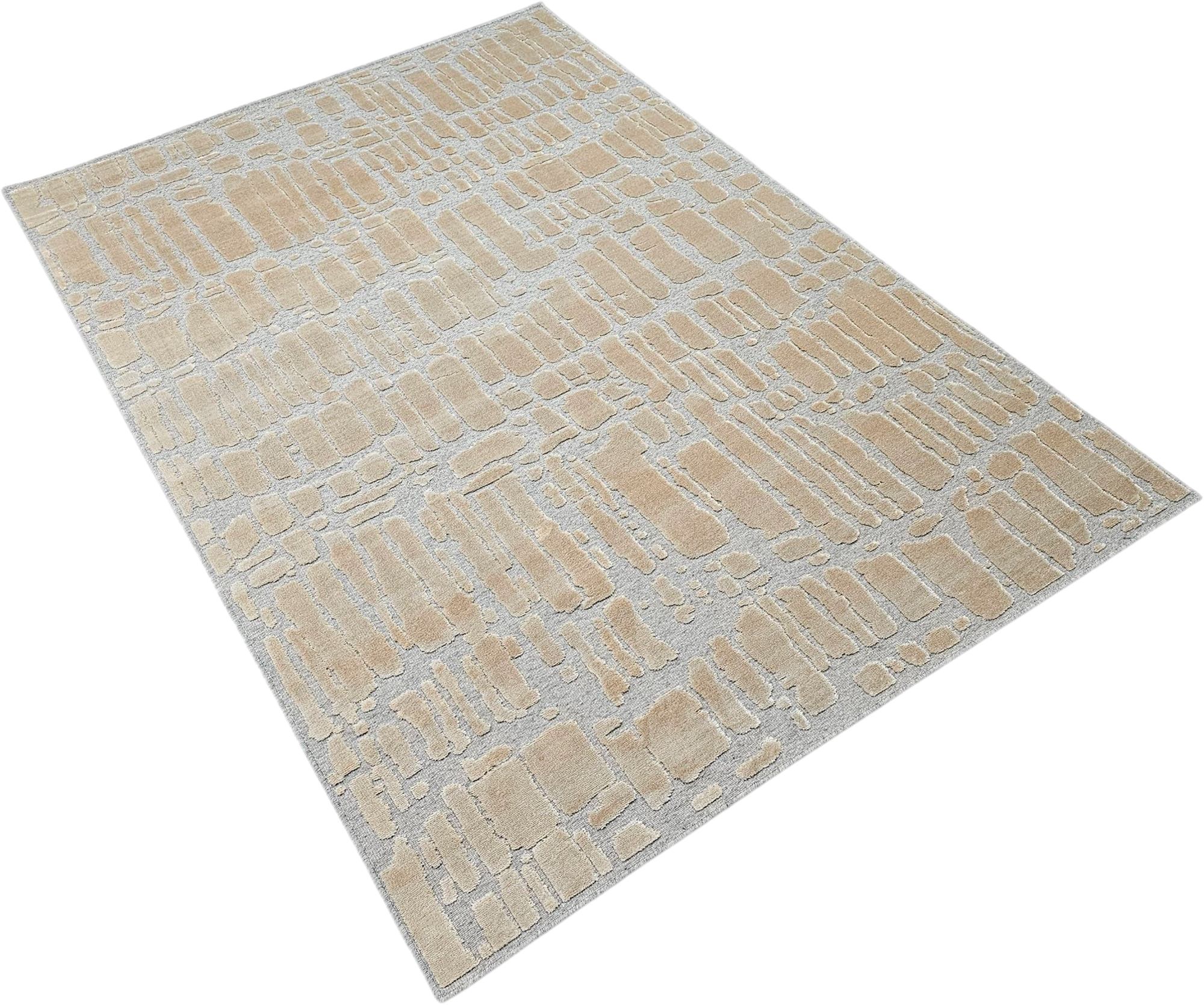
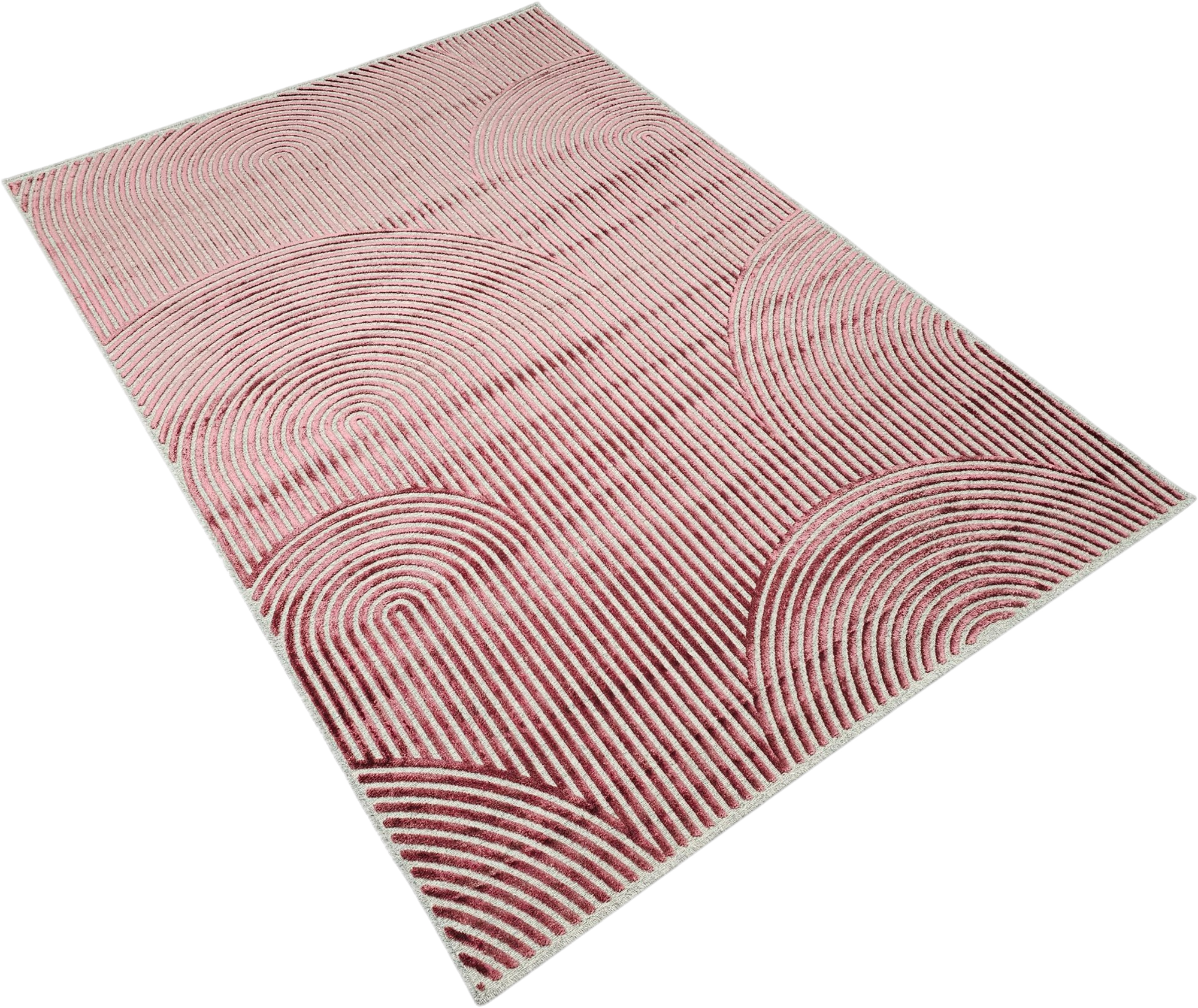
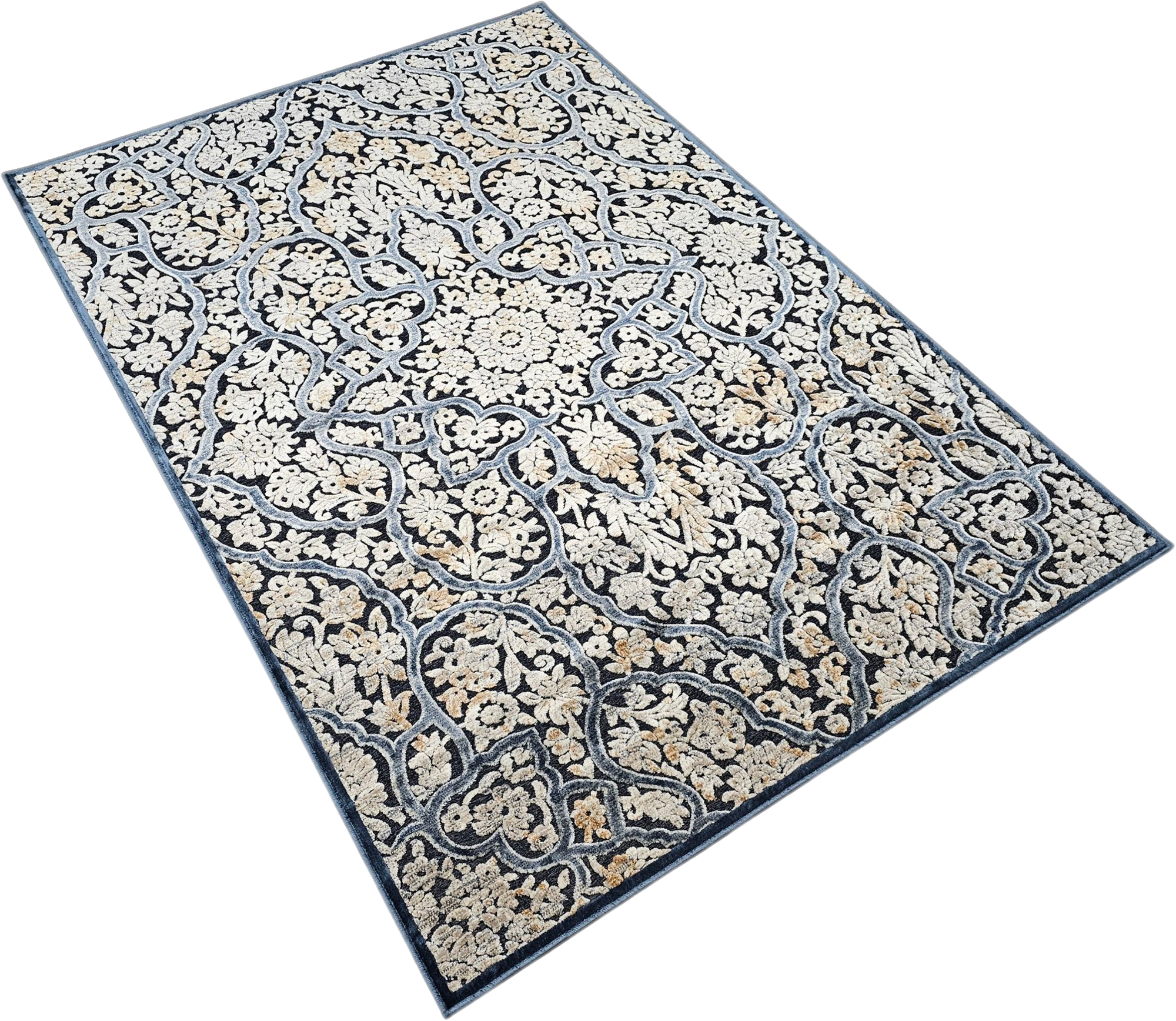
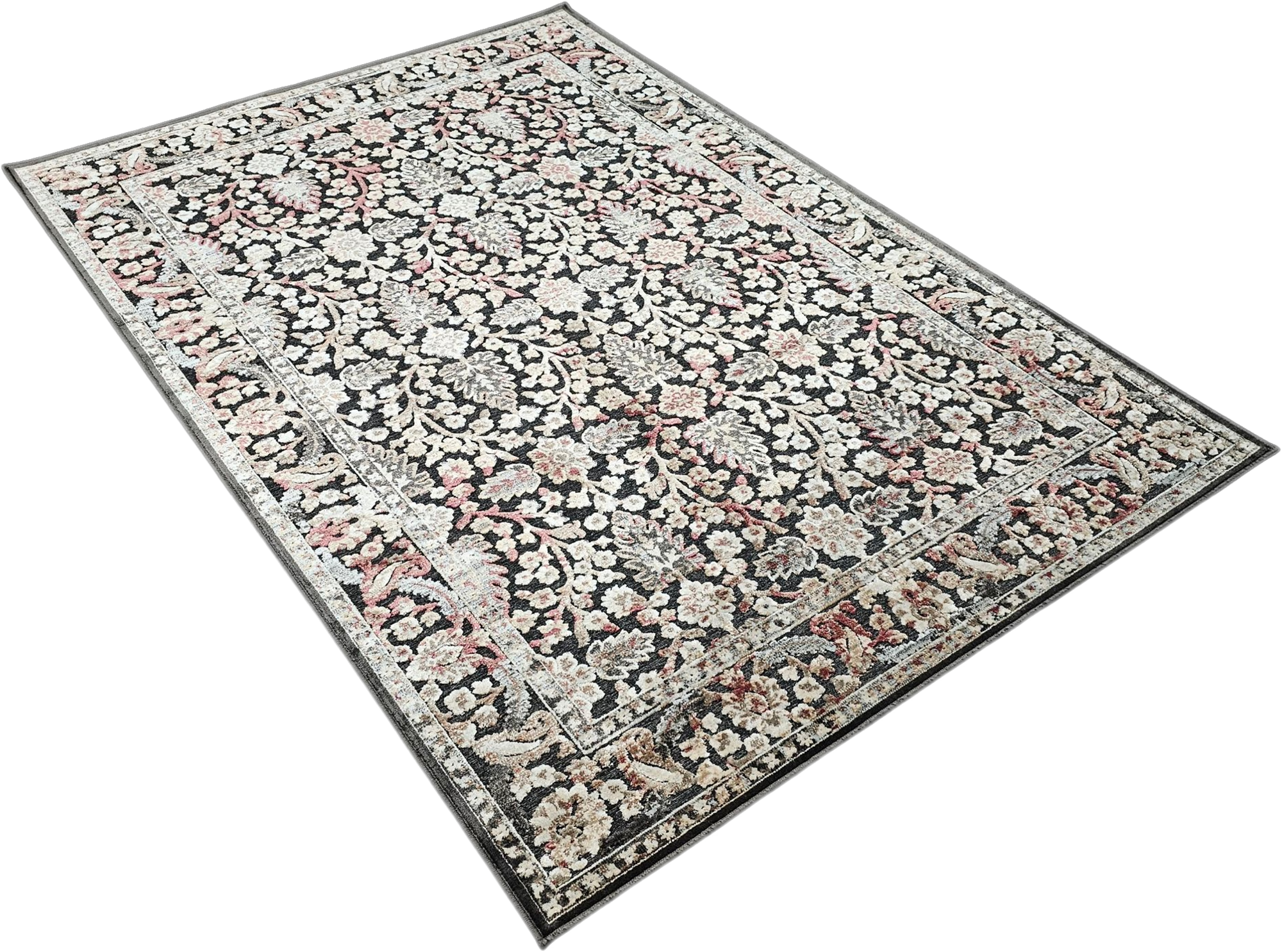
Viscose appears across 4 product families and 7 options, especially on Rugs.
Chemistry and structure
Viscose begins as cellulose but is chemically regenerated into fibre. It keeps some of the softness and absorbency associated with plant-based fibres while adding a smoother, more fluid look.
In rugs and decorative textiles that gives it sheen and depth. The downside is lower wet strength and a greater tendency to show crush marks, shading and wear paths.
How it behaves in furniture
Viscose is at its best in lower-friction decorative applications, especially rugs, where visual richness matters and the user accepts a little more care sensitivity.
For rough family use it is usually strongest in a blend. Pure or high-viscose surfaces can look excellent, but they are rarely the hardest-wearing option in the room.
Care and design watch-outs
Moisture and wear note: Can weaken and mark more easily when wet than polyester or wool blends.
Care note: Use gentle cleaning methods and avoid hard rubbing on pile or lustrous viscose surfaces.
Strengths
- soft lustrous finish
- good colour richness
- elevated decorative feel
Watch-outs
- weaker when wet
- shows pile and pressure marks
- not the toughest high-traffic fibre on its own