Material guide
Plastic
Plastic in furniture: Easy to shape, moisture proof and often lighter than metal or wood.
2 product families
5 options
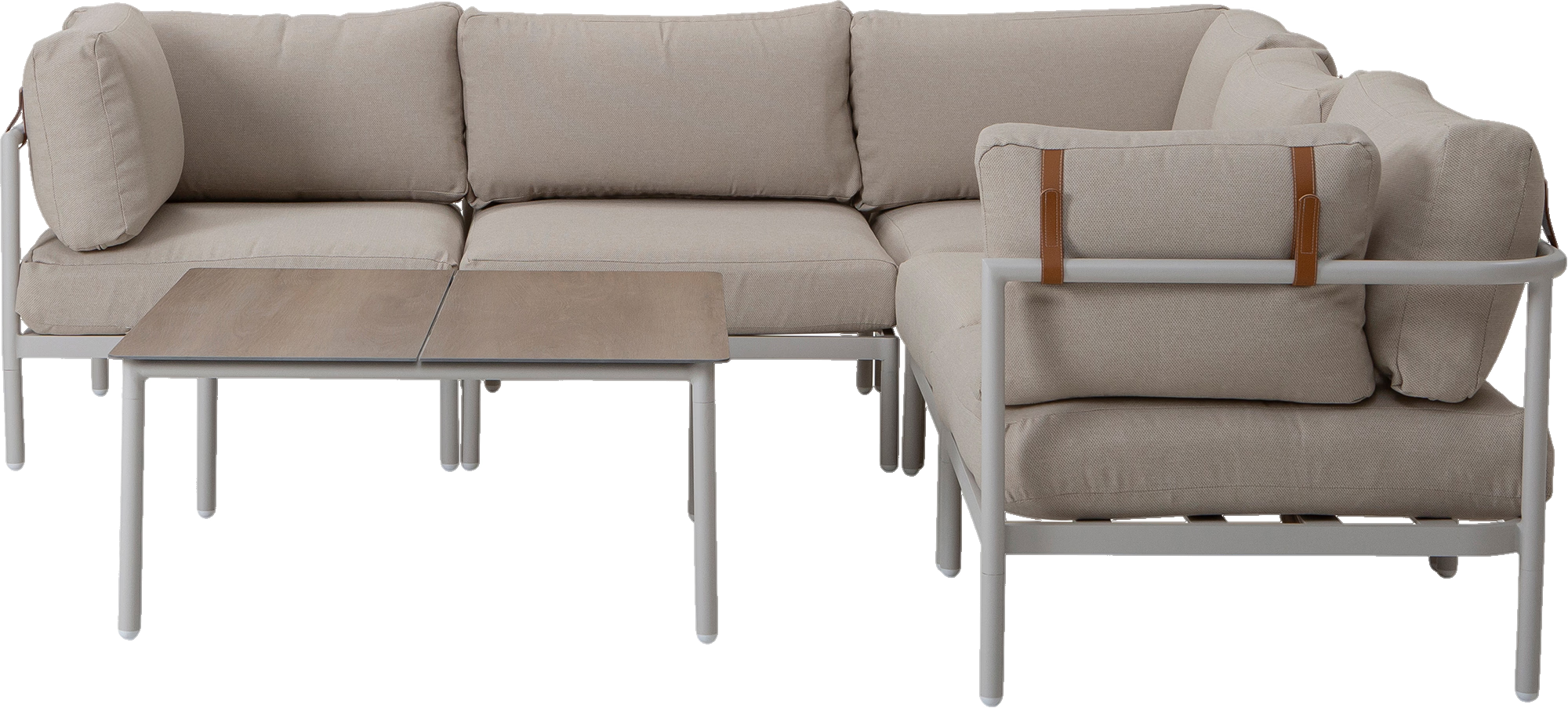
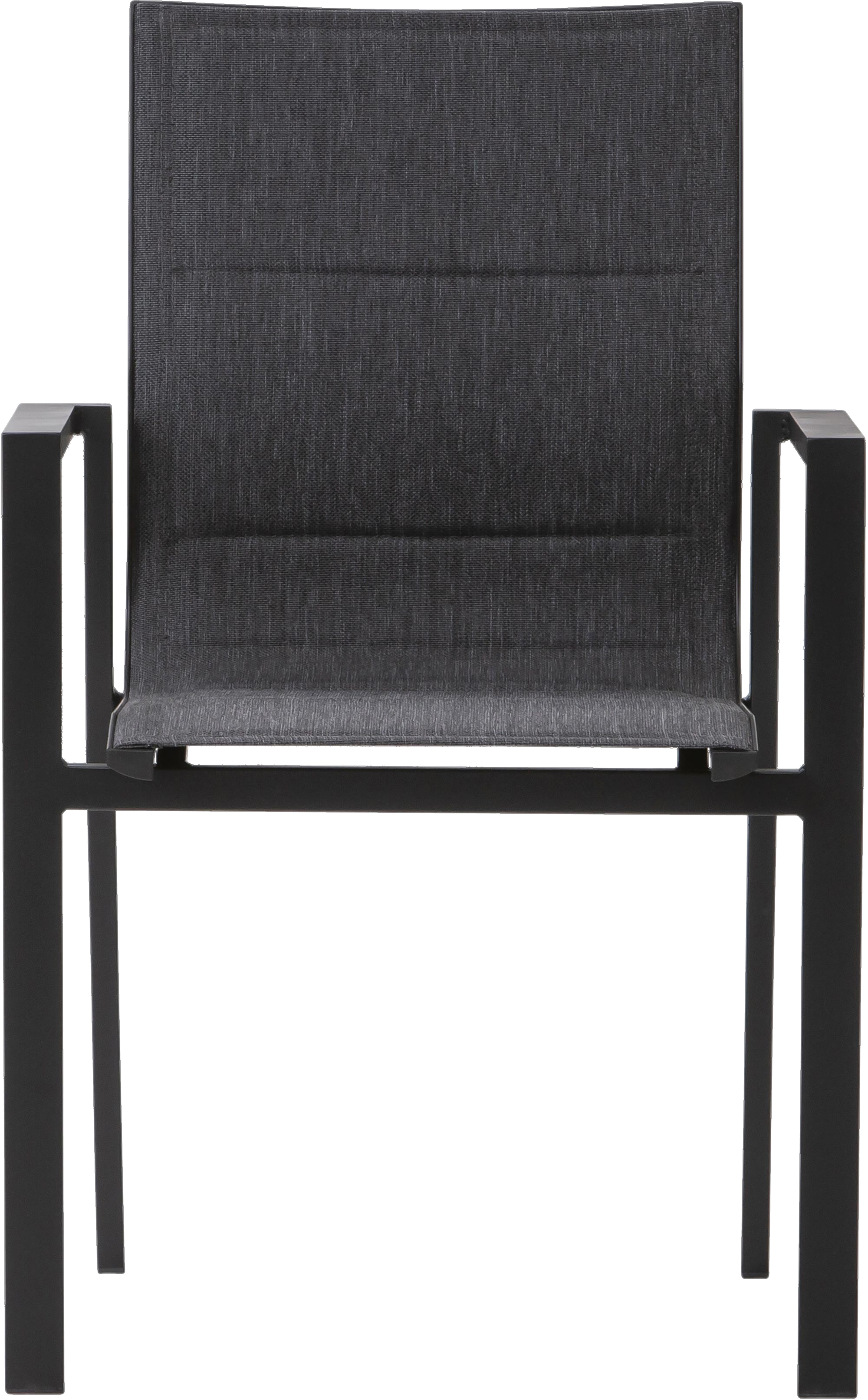
Plastic appears across 2 product families and 5 options, especially on Outdoor Dining Chairs, Outdoor Dining Tables and Outdoor Lounge Sets.
Chemistry and structure
Plastic is an umbrella term. It may refer to polypropylene, ABS, polyethylene or another polymer depending on the furniture part.
Polymers are attractive because they mould into complex forms, resist water and can integrate colour into the material itself. Their trade-offs are heat sensitivity, creep under long loads and finish ageing.
How it behaves in furniture
Plastic is strong in chairs, shells, tabletops and accessory parts where designers want low weight, easy cleaning and repeatable shapes.
For premium long-life furniture the question is grade and thickness. A well-designed technical polymer part can last, while thin commodity plastic can scratch, chalk or flex more than expected.
Care and design watch-outs
Moisture and wear note: Not harmed by water itself, though UV and heat can age many plastics outdoors.
Care note: Use mild cleaners and protect from unnecessary UV and scratching where appearance matters.
Strengths
- lightweight
- water resistant
- shape flexibility
Watch-outs
- heat and UV ageing
- surface scratching
- generic label does not reveal the exact polymer quality
Browse related products