Material guide
Metal
Metal in furniture: Strong, precise and well suited to slim structural parts.
5 product families
43 options
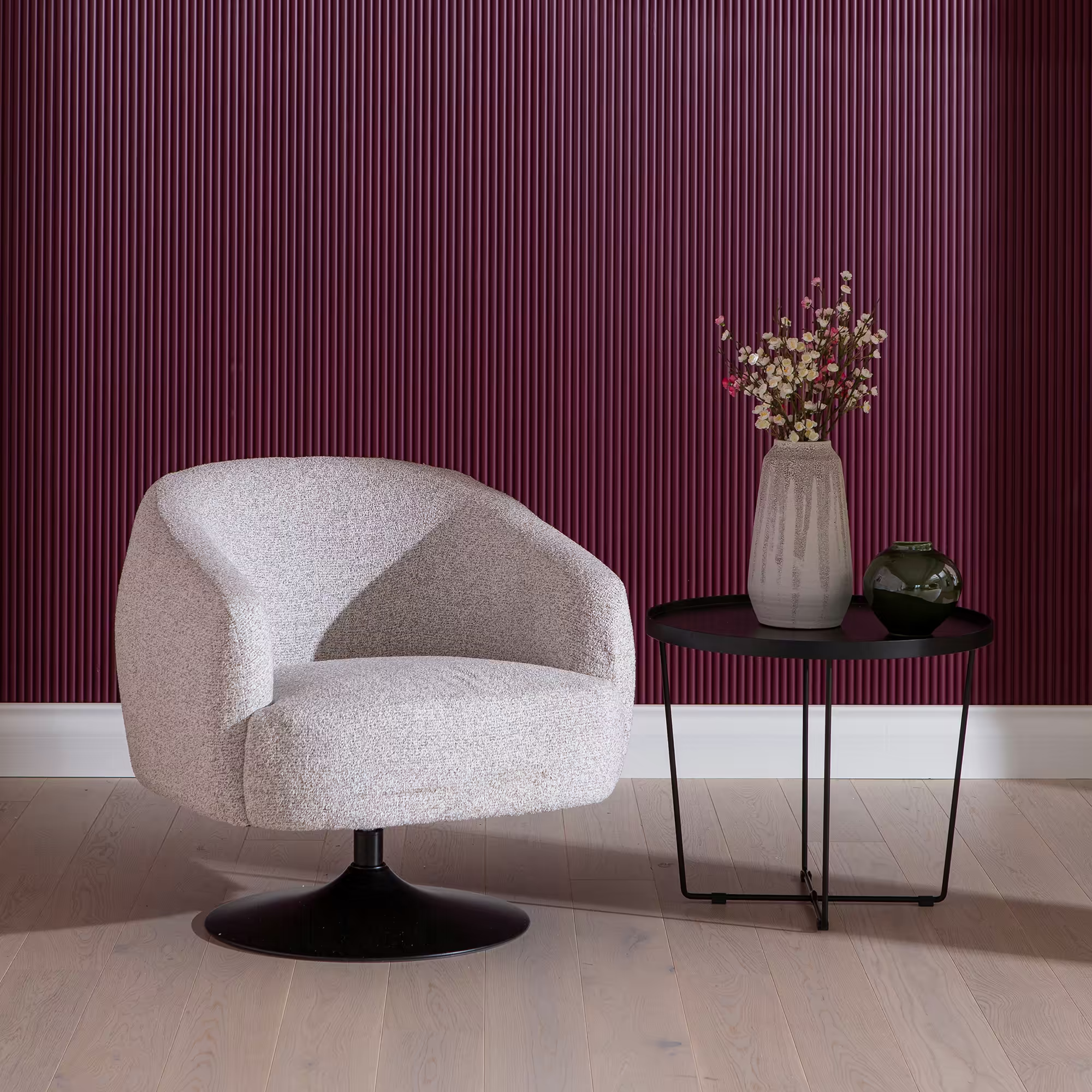
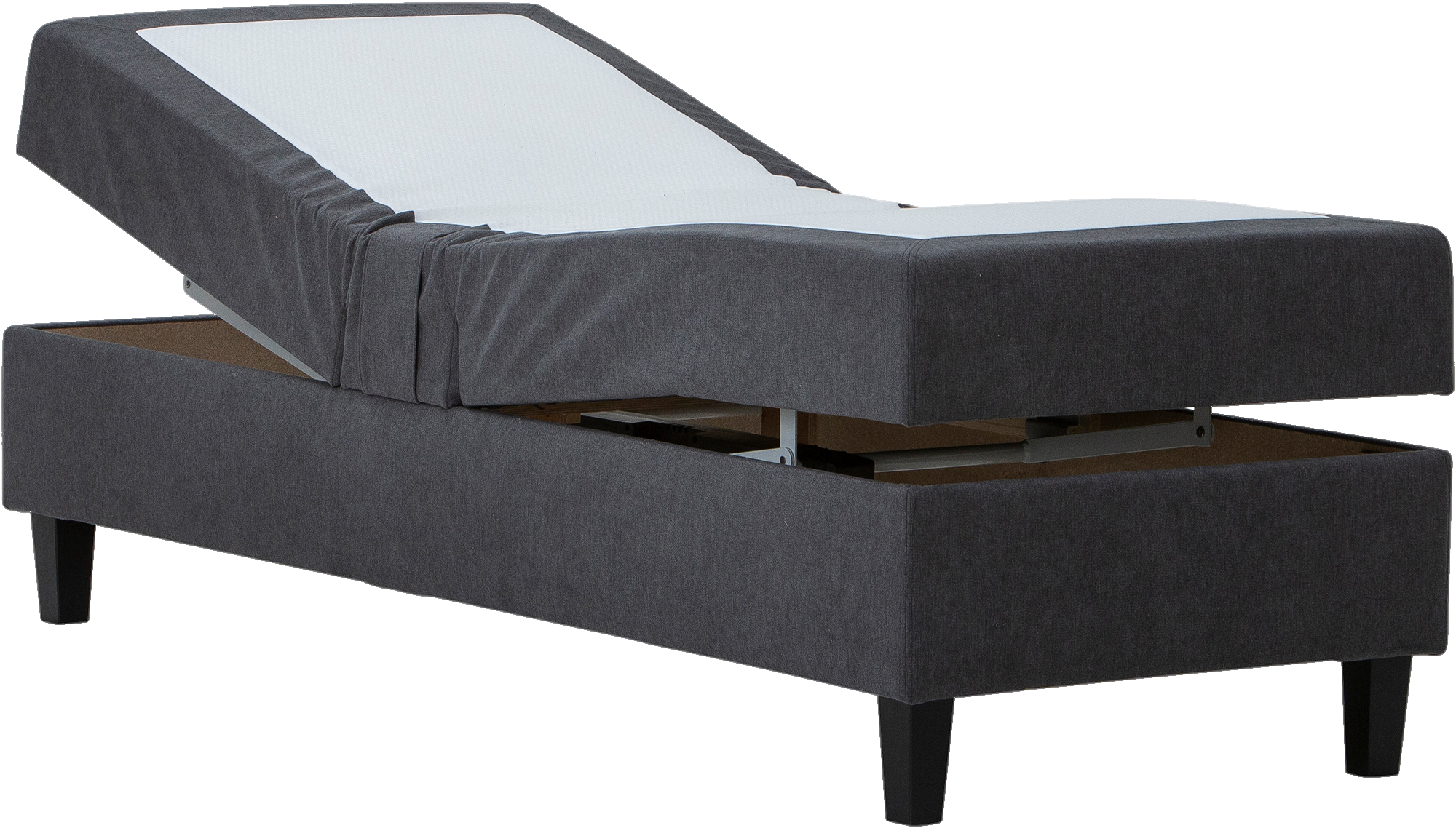
Metal appears across 5 product families and 43 options, especially on 4-Seater Sofas, Adjustable Beds, Cabinets Display, Continental Beds, Dining Chairs and Swivel Chairs.
Chemistry and structure
Metal is a category label rather than a full material specification. In furniture it usually signals a structural frame, base or hardware component made from steel, aluminium or another alloy.
That matters because the chemistry controls corrosion, stiffness and weight. A powder-coated steel leg behaves differently from an anodised aluminium frame even when the store only says metal.
How it behaves in furniture
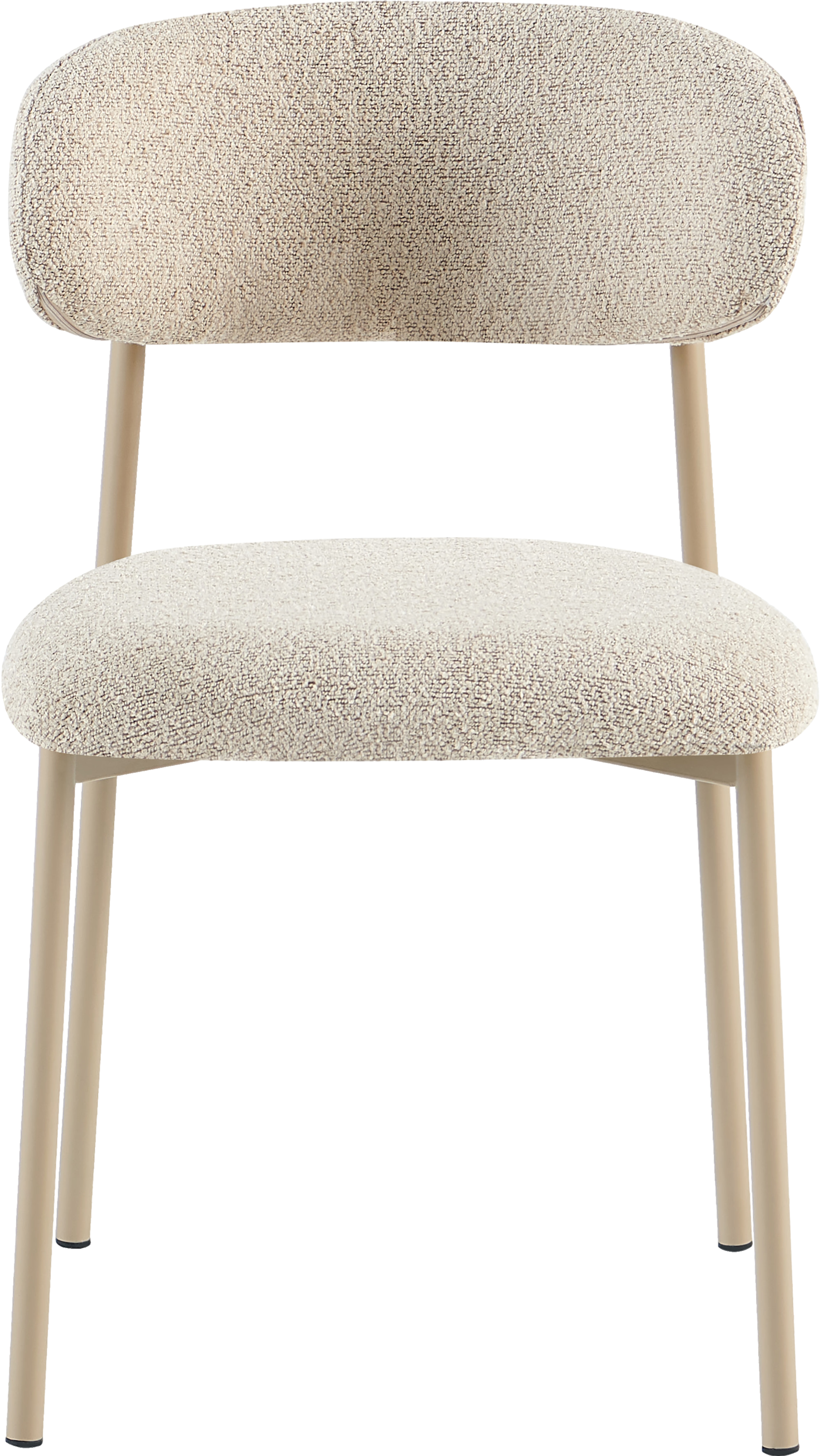
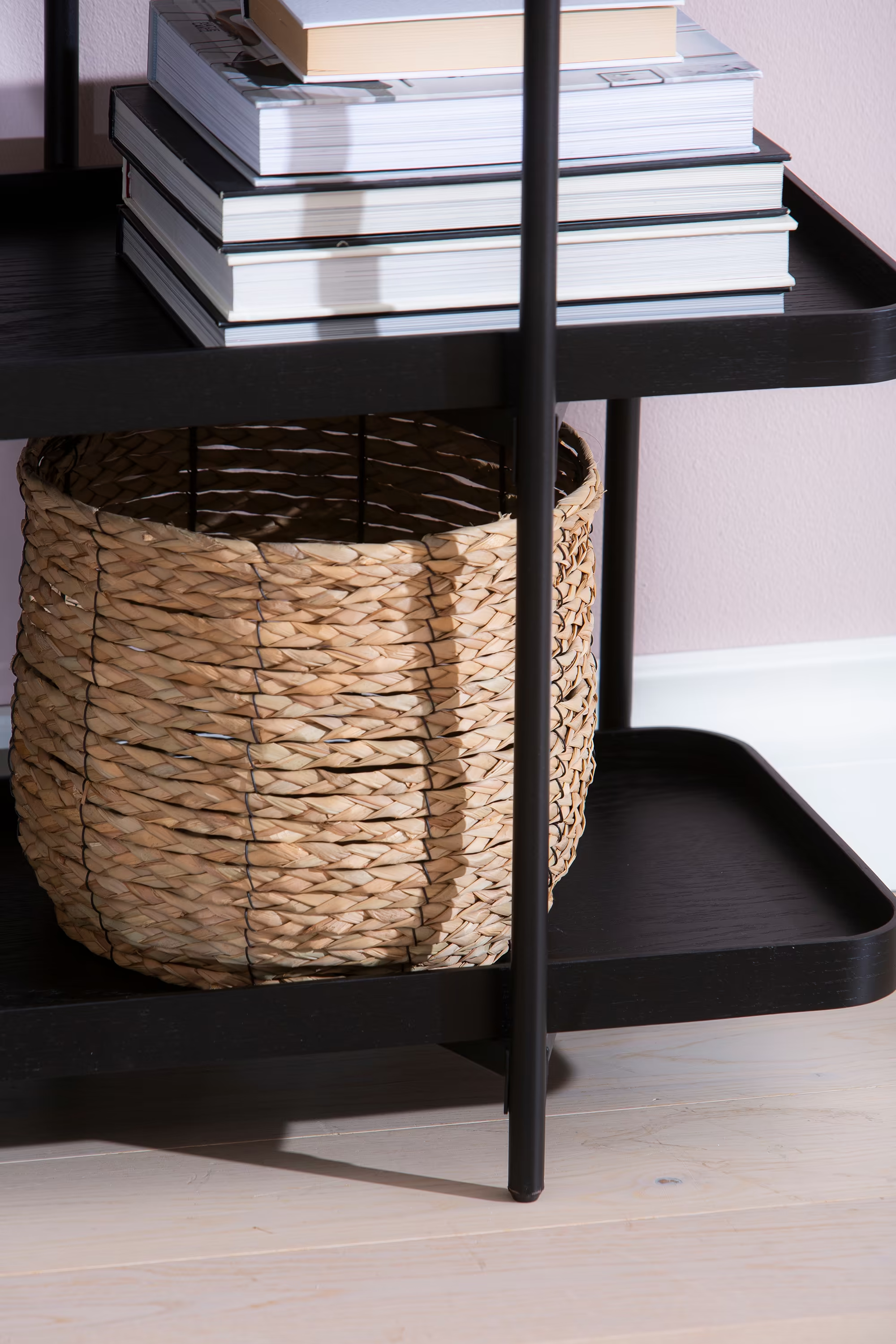
Metal excels where furniture needs slender sections, strong joints and reliable load paths: chair legs, bed mechanisms, shelving frames and outdoor skeletons.
Its main user-facing trade-offs are tactile. Uncovered metal feels hard and temperature-responsive, so designers often pair it with wood, fabric or cushions to soften contact points.
Thermal and comfort behaviour
Metal reacts to ambient temperature quickly, so it feels colder than wood and upholstery in a cool room and hotter in direct sun. That is usually a tactile issue rather than a sleep-temperature issue.
In mechanisms and springs, thermal expansion exists but the practical ageing questions are corrosion, coating failure and fatigue under repeated load.
Care and design watch-outs
Moisture and wear note: Performance depends on alloy and coating: bare steel can rust, while aluminium stays corrosion resistant.
Care note: Check the actual finish, keep coatings intact and treat chips before corrosion spreads on ferrous parts.
Strengths
- high structural strength
- slim profiles
- good dimensional accuracy
Watch-outs
- finish and alloy matter
- can feel cold or hot to touch
- coating damage may expose corrosion risk on steel
Recycling and service life
- Recycling in Finland
- Direct clean separated parts to metal recycling; otherwise use municipal bulky-furniture handling for mixed products.
- Expected wear profile
- Usually long-lived, with coatings, joints and fatigue-prone moving parts deciding the practical lifespan.
- Retail warranty note
- Material guidance does not extend the retailer warranty. Unless a product page explicitly states otherwise, keep the practical customer expectation at a 2-year retail warranty window.
Finland-first sorting baseline: clean separated metal parts belong to metal recycling. Mixed furniture with fixed upholstery, wood or motors should go through municipal bulky-furniture handling unless the customer can separate the metal safely.
When the product is a bed mechanism or spring build, keep the user instruction simple: reuse first, then bulky-furniture handling if separation is not practical at home.
Metal durability depends mostly on alloy, section size, coatings and joint design. Good metal structure can outlast surrounding softer materials by a wide margin.
Typical real-life failure modes are scratches that expose corrosion risk, wobble at joints, and fatigue in moving or repeatedly flexing parts.
Related specifications
- Metal leg
- Bed mechanism
- Support frame
Browse related products