Material guide
Foam
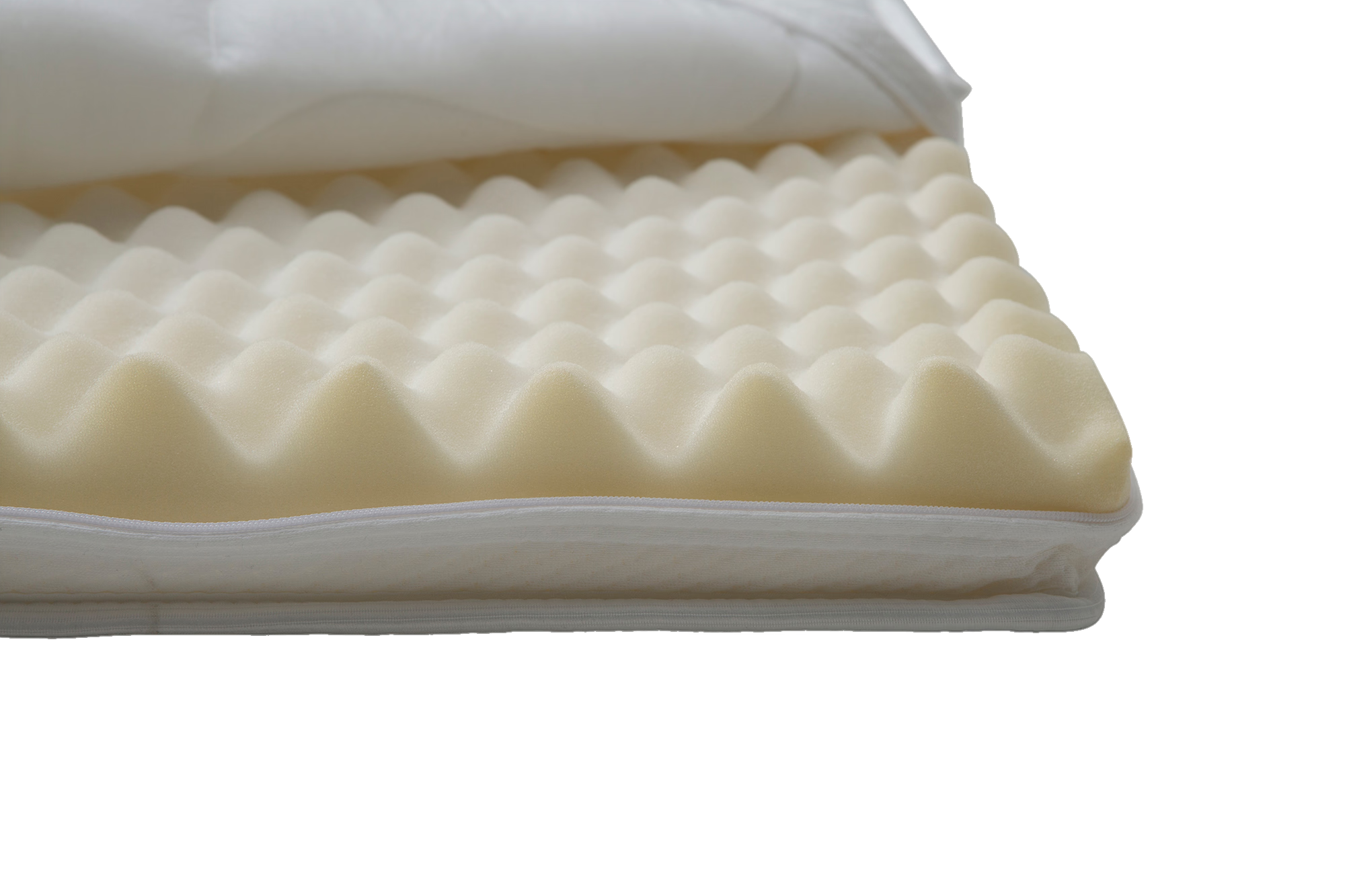
Foam in furniture: Shape-forming, pressure-distributing and available from soft comfort layers to firm support cores.
17 product families
109 options
Foam appears across 17 product families and 109 options, especially on 3-Seater Sofas, 4-Seater Sofas, Armchairs, Chaise Sofas, Continental Beds and Corner Sofas and 6 more.
Chemistry and structure
Furniture foam is typically polyurethane built as an open-cell network. Density and firmness are separate variables: density relates to durability, while firmness describes how quickly the foam pushes back.
Foam slowly ages through oxidation, repeated compression and heat. Better grades keep resilience longer, while lower-density foams soften and lose height sooner.
How it behaves in furniture
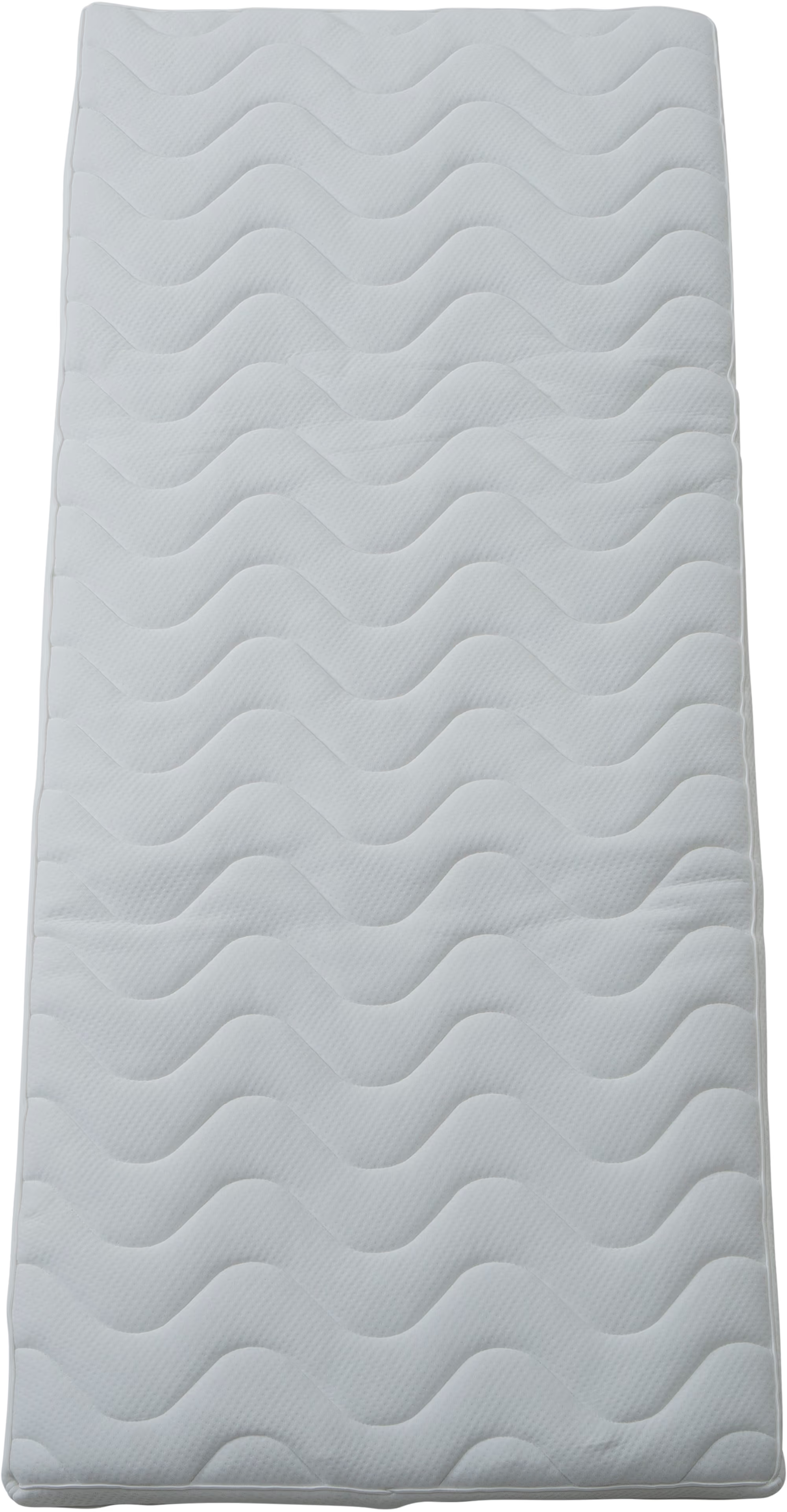
Foam is the core comfort material in seats, backs, headboards and toppers because it can be cut, layered and tuned very precisely for support, softness and edge definition.
A furniture build usually matters more than the word foam alone. A high-density support core with softer wrap behaves very differently from a single cheap slab.
Thermal and comfort behaviour
Standard furniture foam usually sits between memory foam and latex in perceived warmth. It tends to breathe better than dense memory foam, but the exact result depends on density, perforation, cover fabric and the amount of body sink.
Higher-density foam and poorly ventilated upholstery stacks dry more slowly and can feel warmer than lighter open builds.
Care and design watch-outs
Moisture and wear note: Open-cell foams can hold moisture; drying speed depends on density, airflow and cover construction.
Care note: Keep ventilated, avoid prolonged damp storage and rotate reversible cushions when possible.
Strengths
- tunable support
- shape retention
- works well in layered cushions
Watch-outs
- quality depends heavily on density
- can soften with age
- trapped moisture slows recovery and hygiene
Recycling and service life
- Recycling in Finland
- Use municipal bulky-furniture or mixed-furniture handling unless a local operator explicitly accepts separated foam.
- Expected wear profile
- Gradual softening and lower rebound over time; density is the main durability driver.
- Retail warranty note
- Material guidance does not extend the retailer warranty. Unless a product page explicitly states otherwise, keep the practical customer expectation at a 2-year retail warranty window.
Finland-first sorting baseline: polyurethane furniture foam is not a plastic-packaging stream. Treat loose foam parts as municipal bulky furniture or mixed furniture waste unless your local operator publishes a separate foam route.
When the foam is built into a sofa, mattress or headboard, prioritise reuse first and then direct the full product to municipal bulky-waste handling if separation is not practical.
Foam durability tracks density more than marketing adjectives. Higher-density support foam usually keeps height and rebound longer than low-density commodity foam.
Repeated compression, heat, oxidation and trapped humidity slowly reduce resilience. Well-designed layered builds age more gracefully than single low-cost foam slabs.
Related specifications
- Foam mattress
- Comfort foam layer
- Seat support foam
Browse related products