Material guide
Fabric
Fabric in furniture: Comfort-led surface layer whose feel depends on fibre mix, weave density and backing.
17 product families
163 options
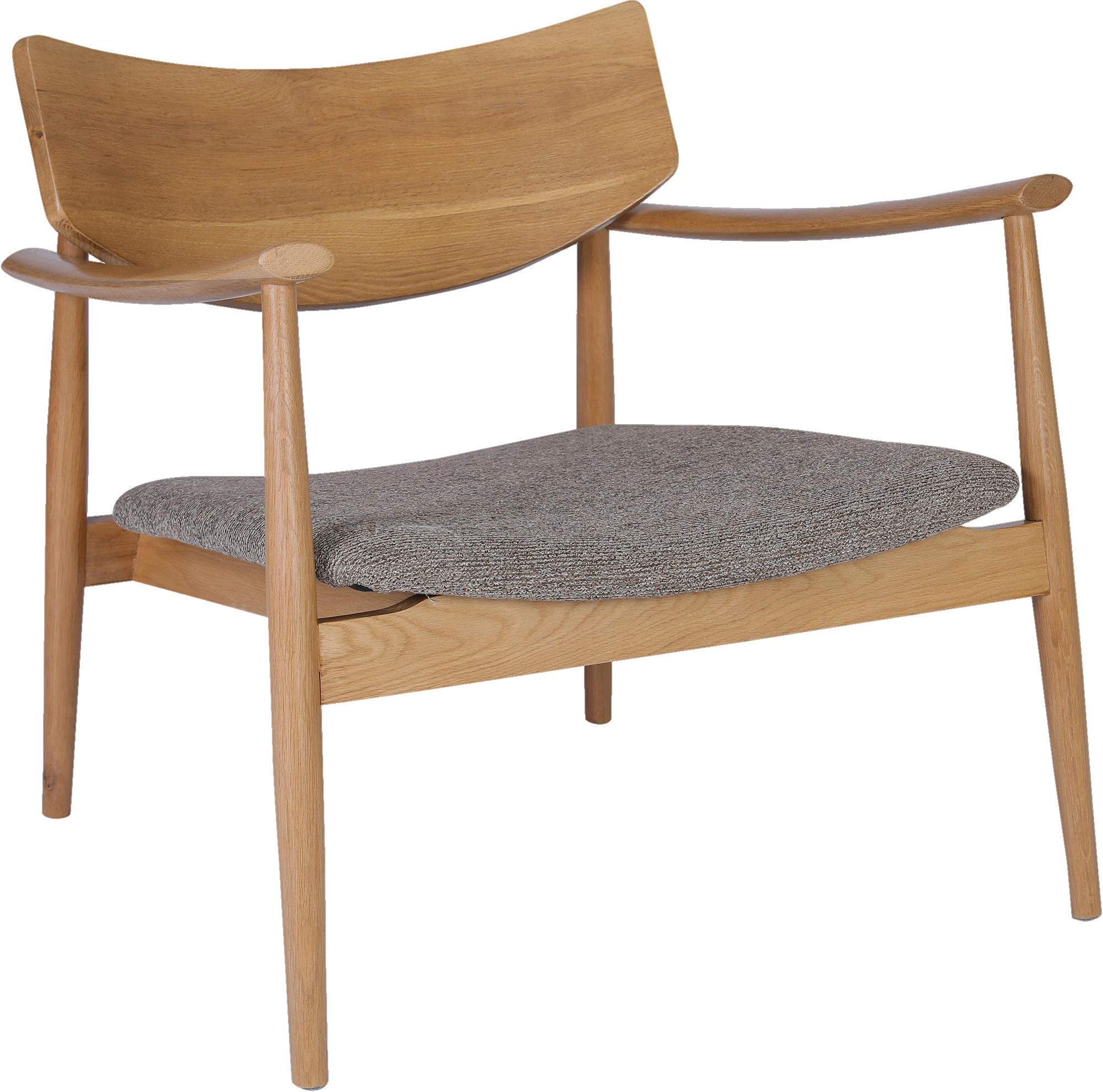
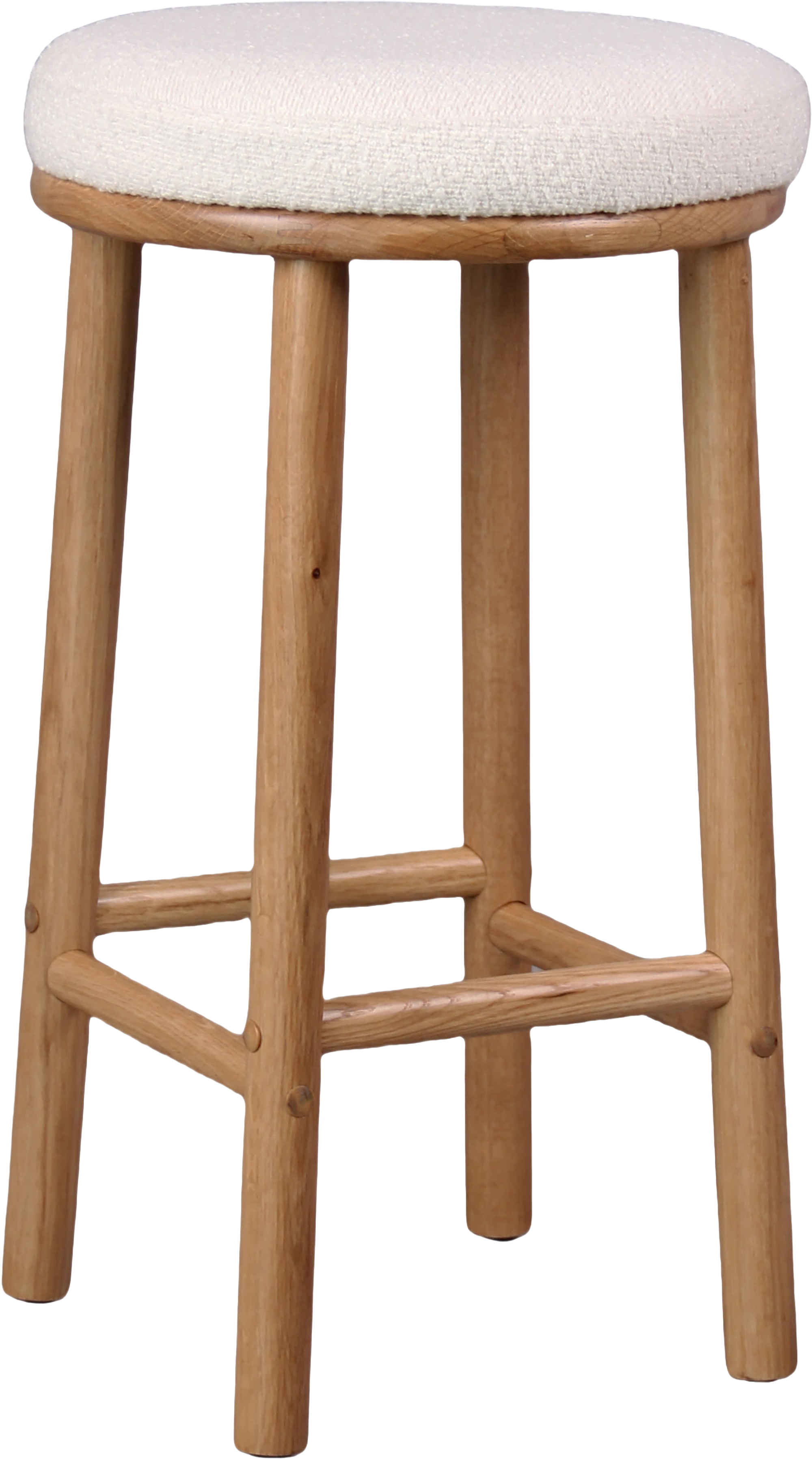
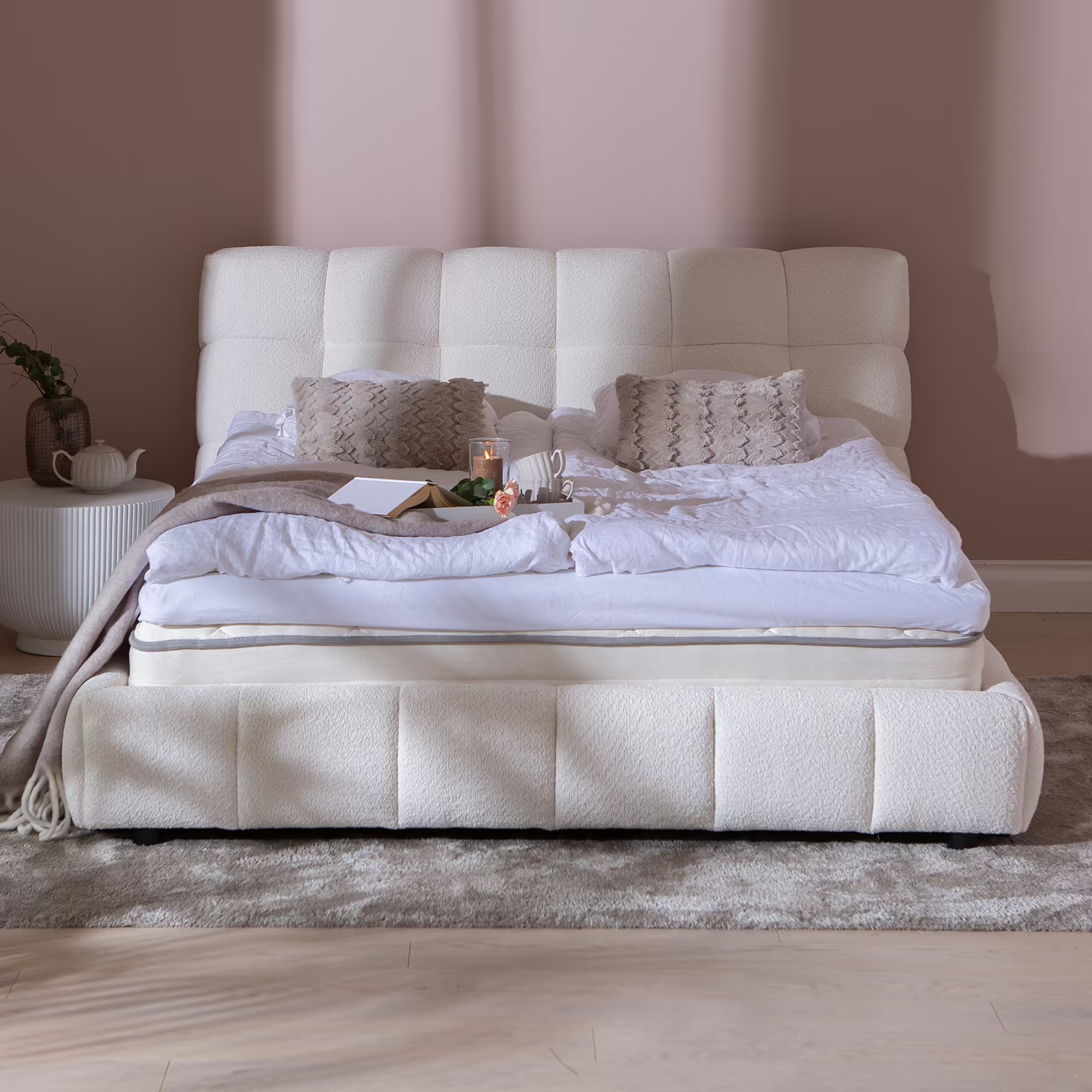
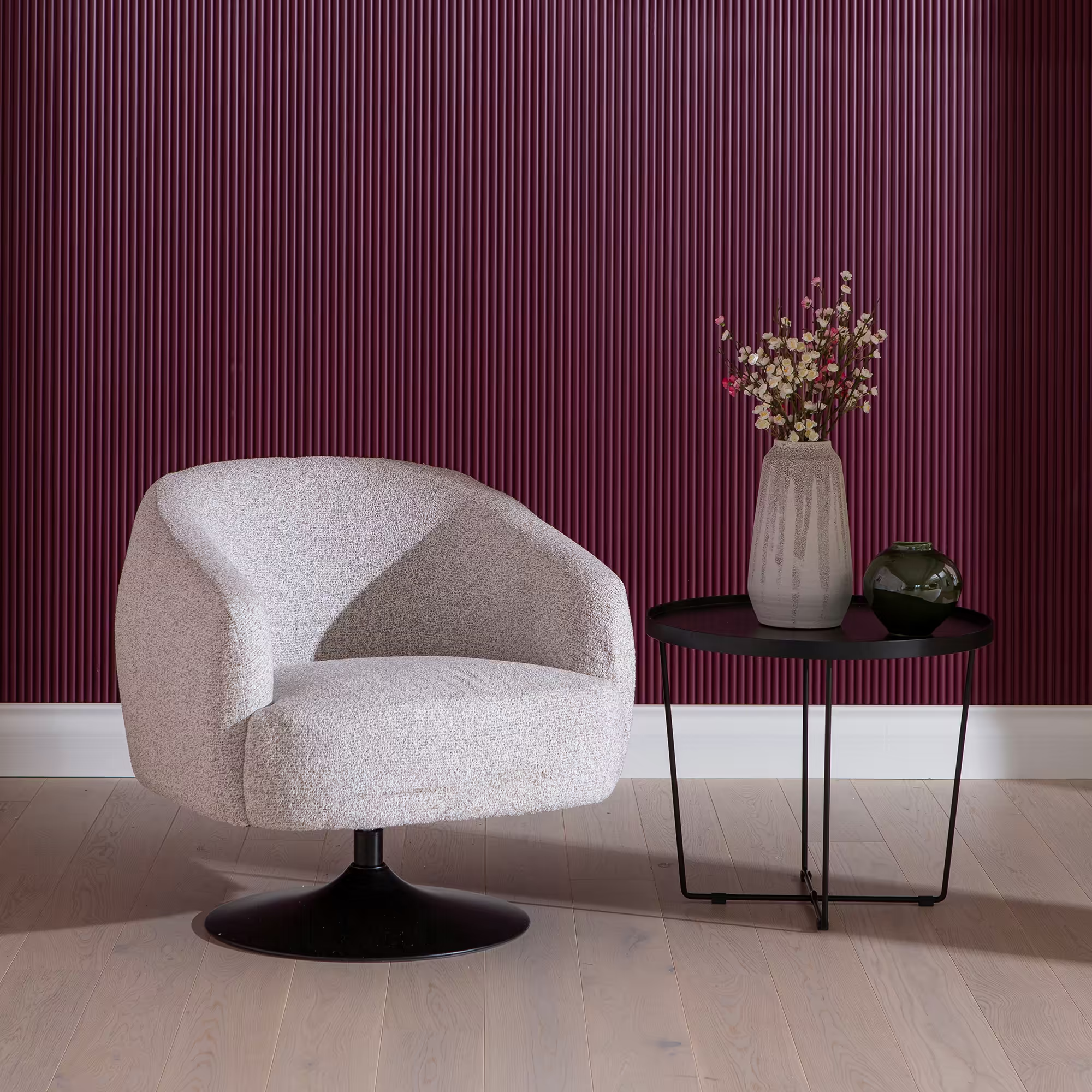
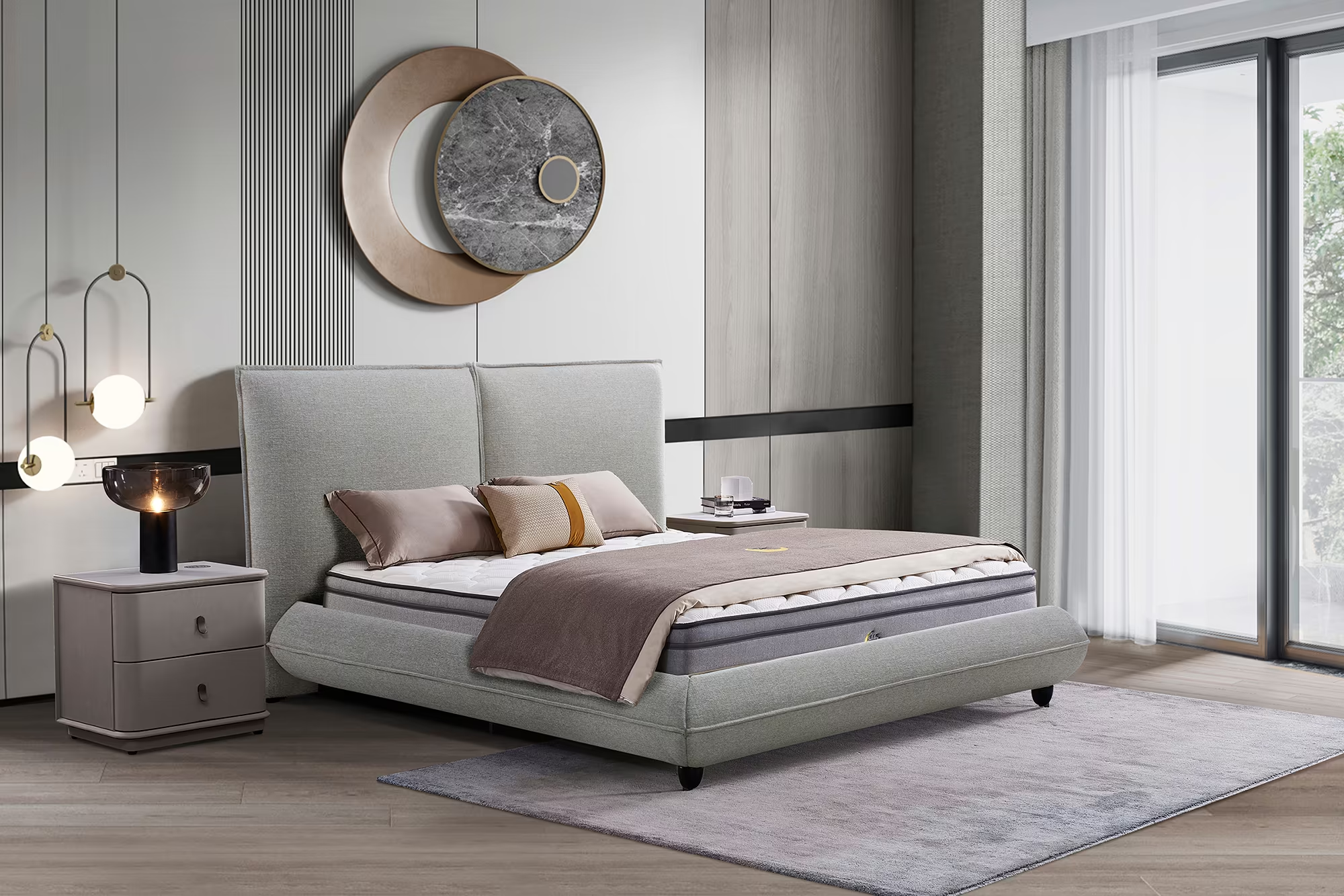
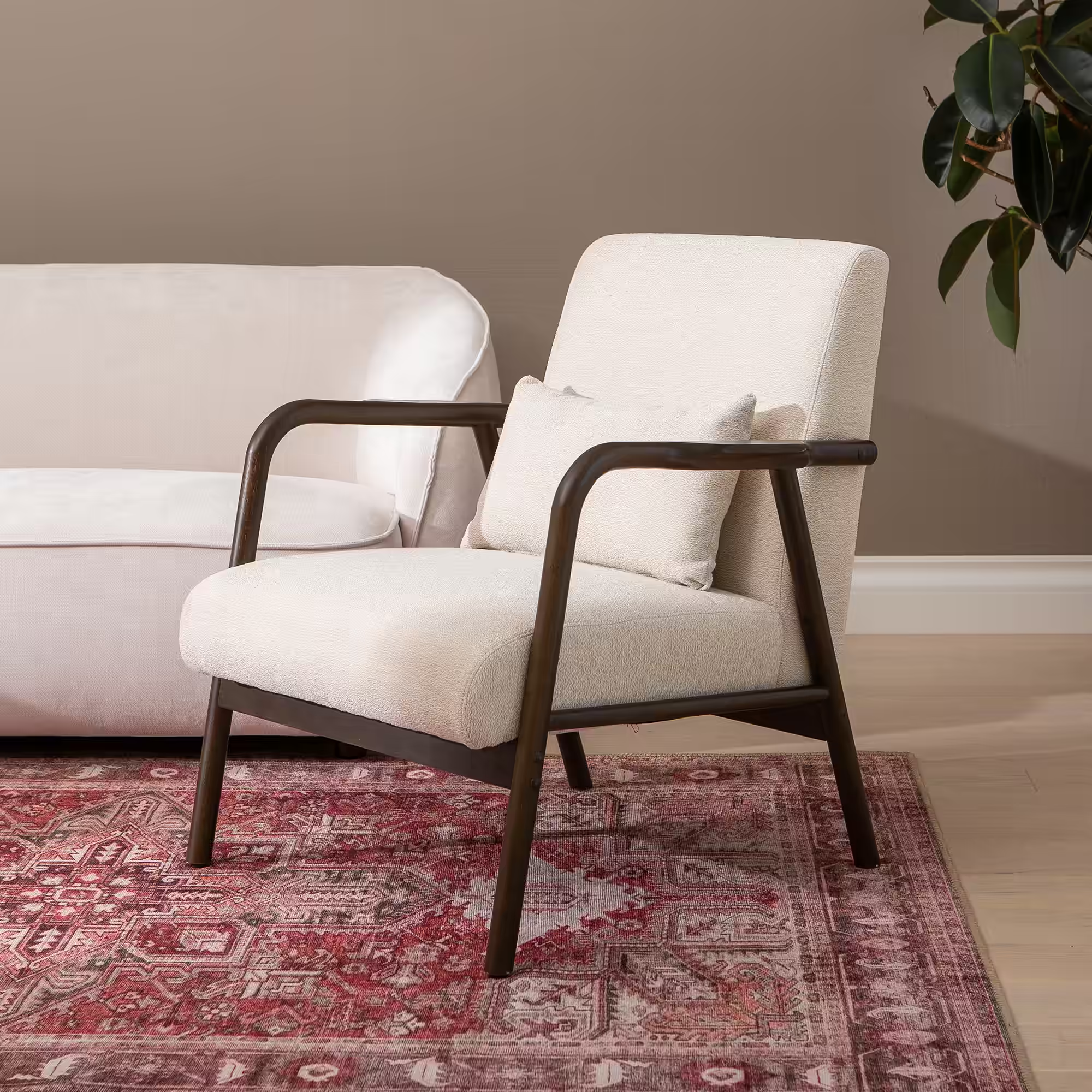
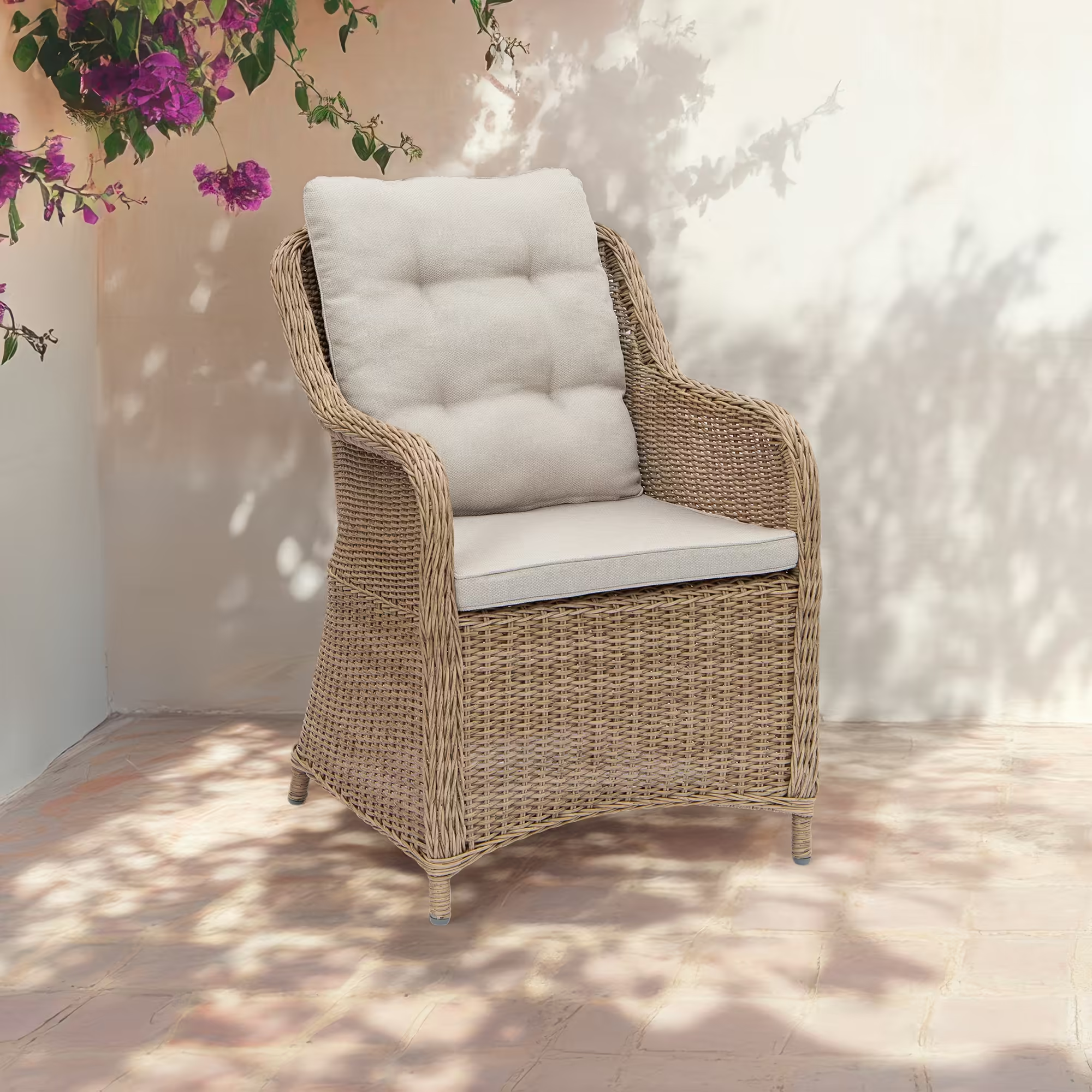
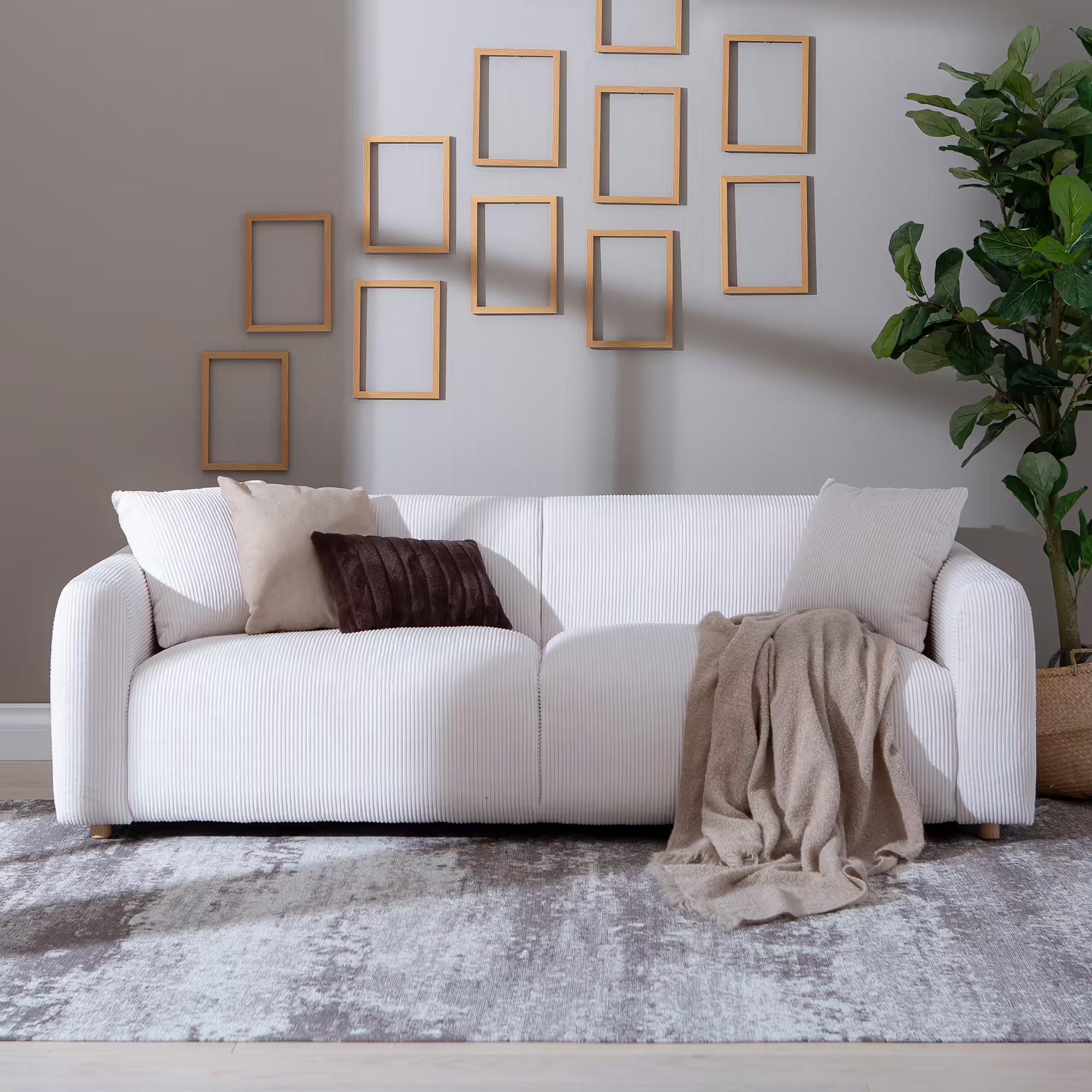
Fabric appears across 17 product families and 163 options, especially on 3-Seater Sofas, 4-Seater Sofas, Adjustable Beds, Armchairs, Bar Stools and Bed Frames and 13 more.
Chemistry and structure
Fabric is not one chemistry but a category. Upholstery fabric can be cotton, polyester, wool, viscose, olefin or a blend, and the fibre recipe decides abrasion resistance, colour fastness and moisture behaviour.
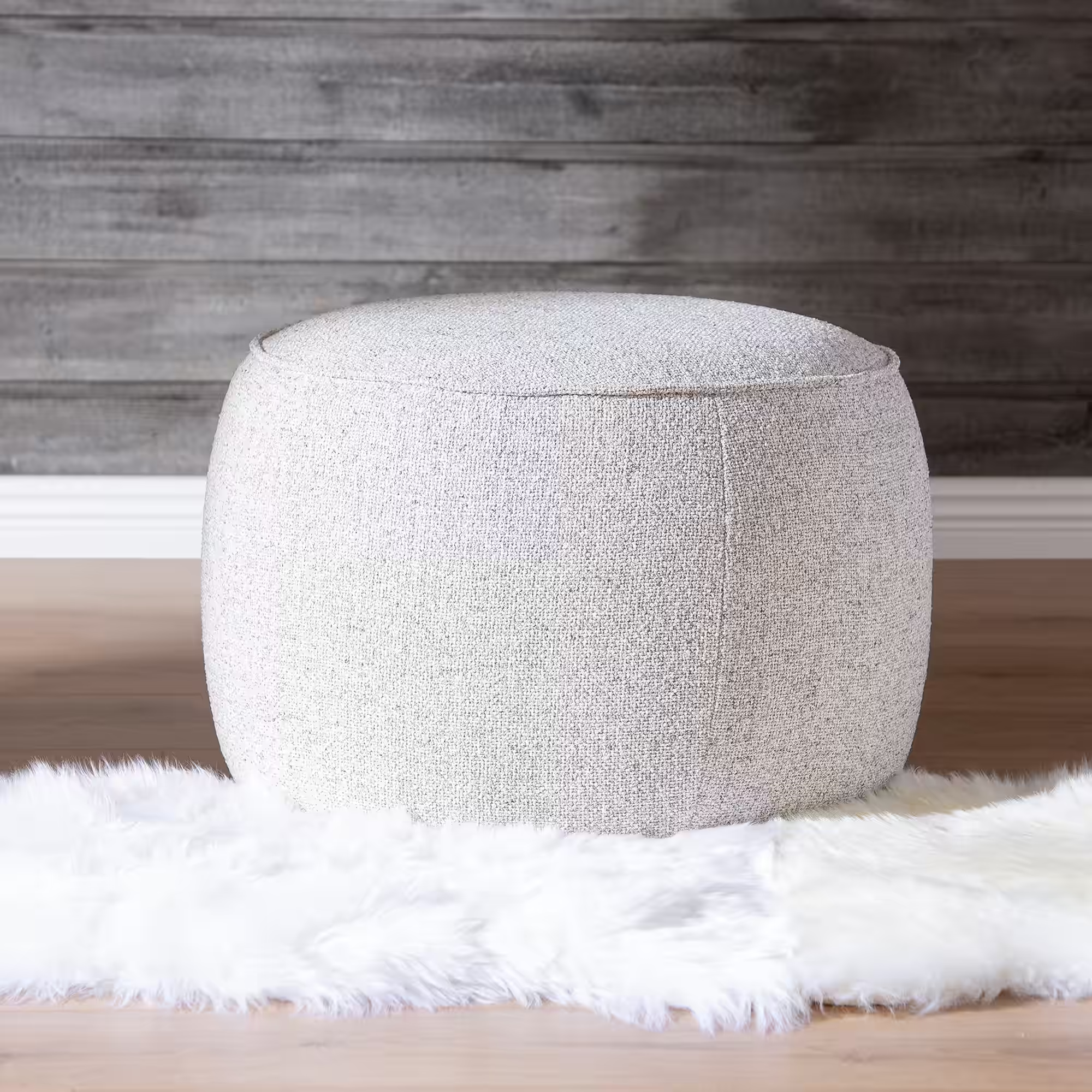
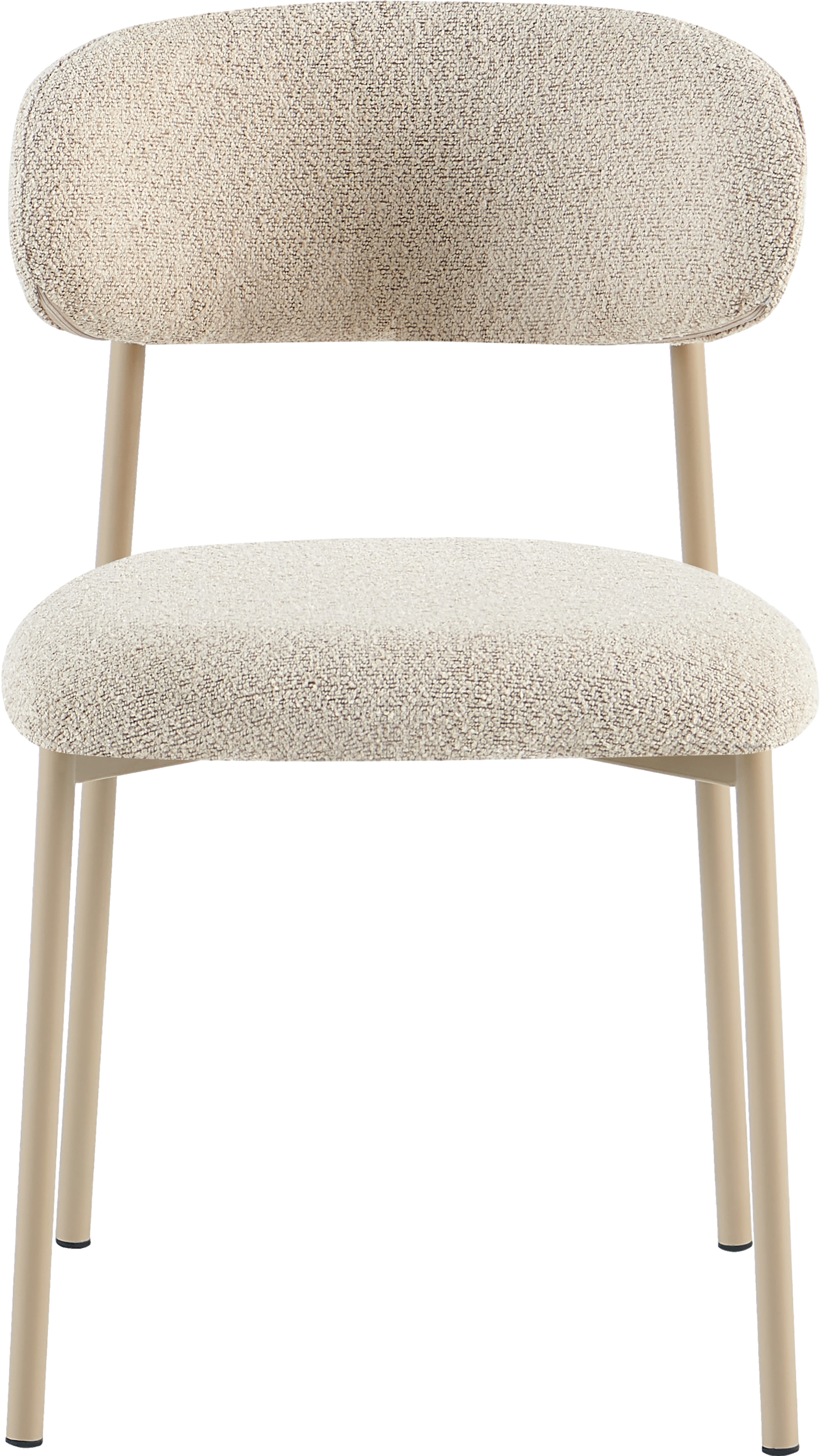
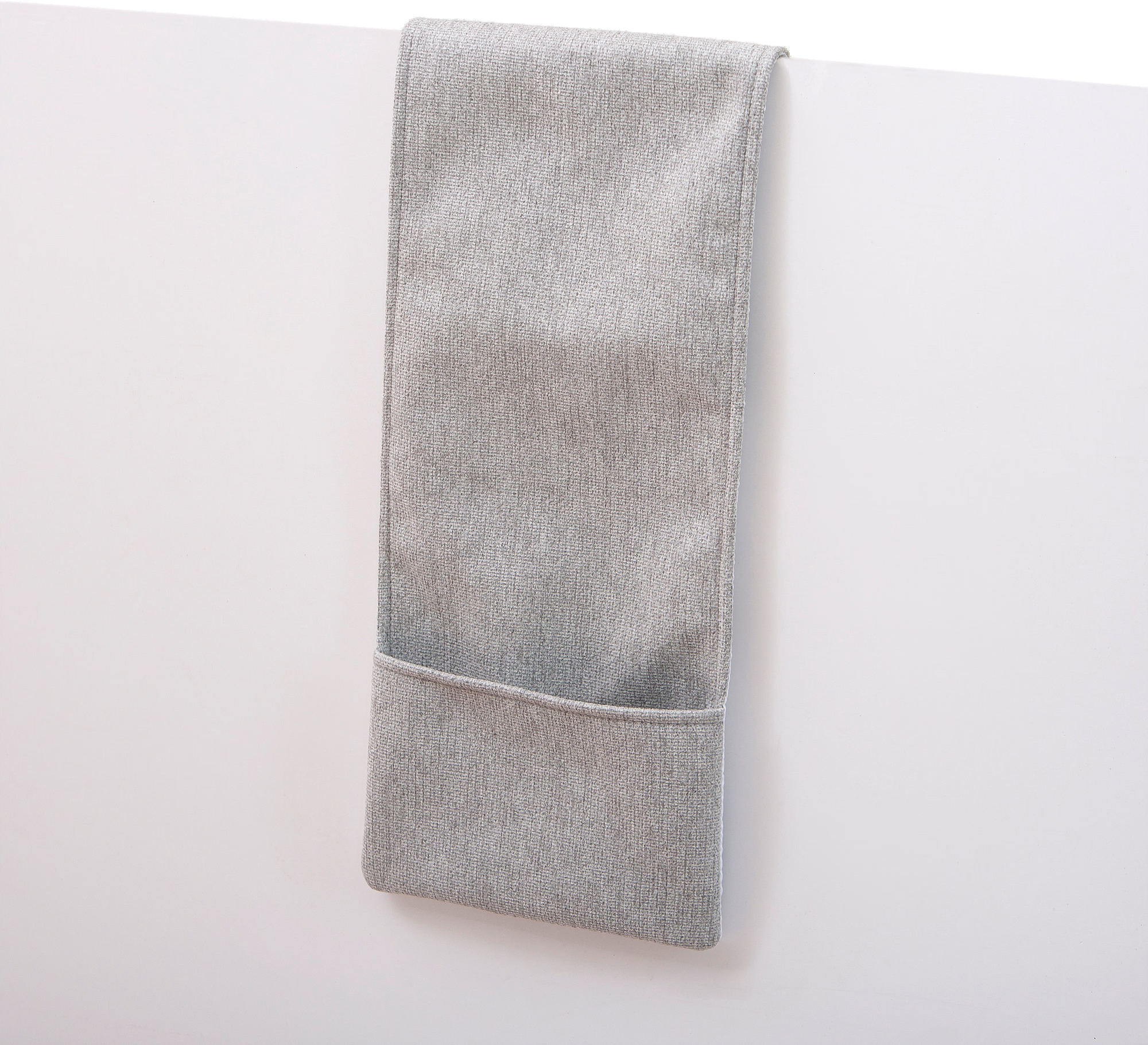
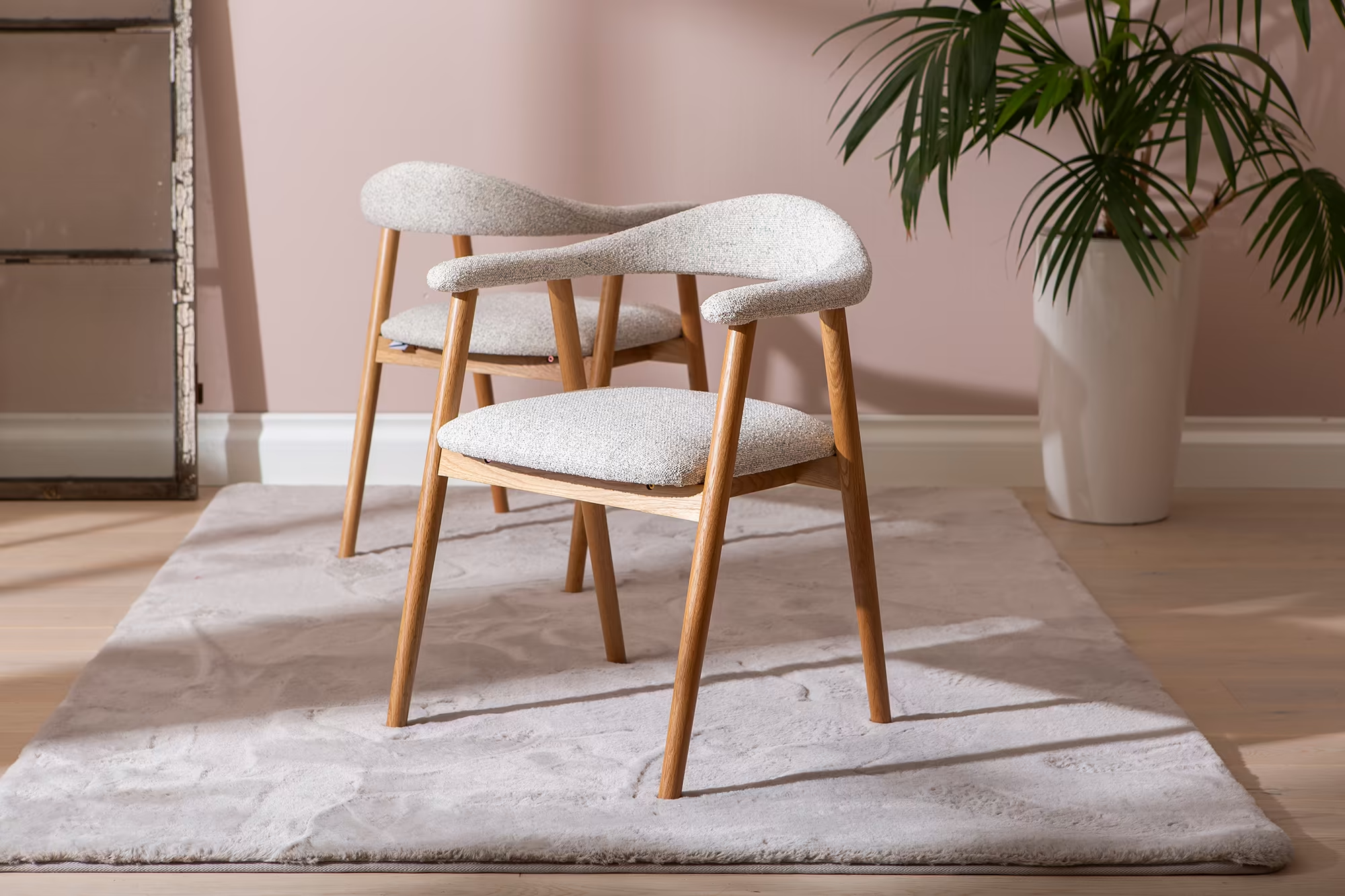
Weave structure matters just as much as chemistry. A tight plain weave behaves differently from chenille, boucle or brushed fabric even when the fibre names are similar.
How it behaves in furniture
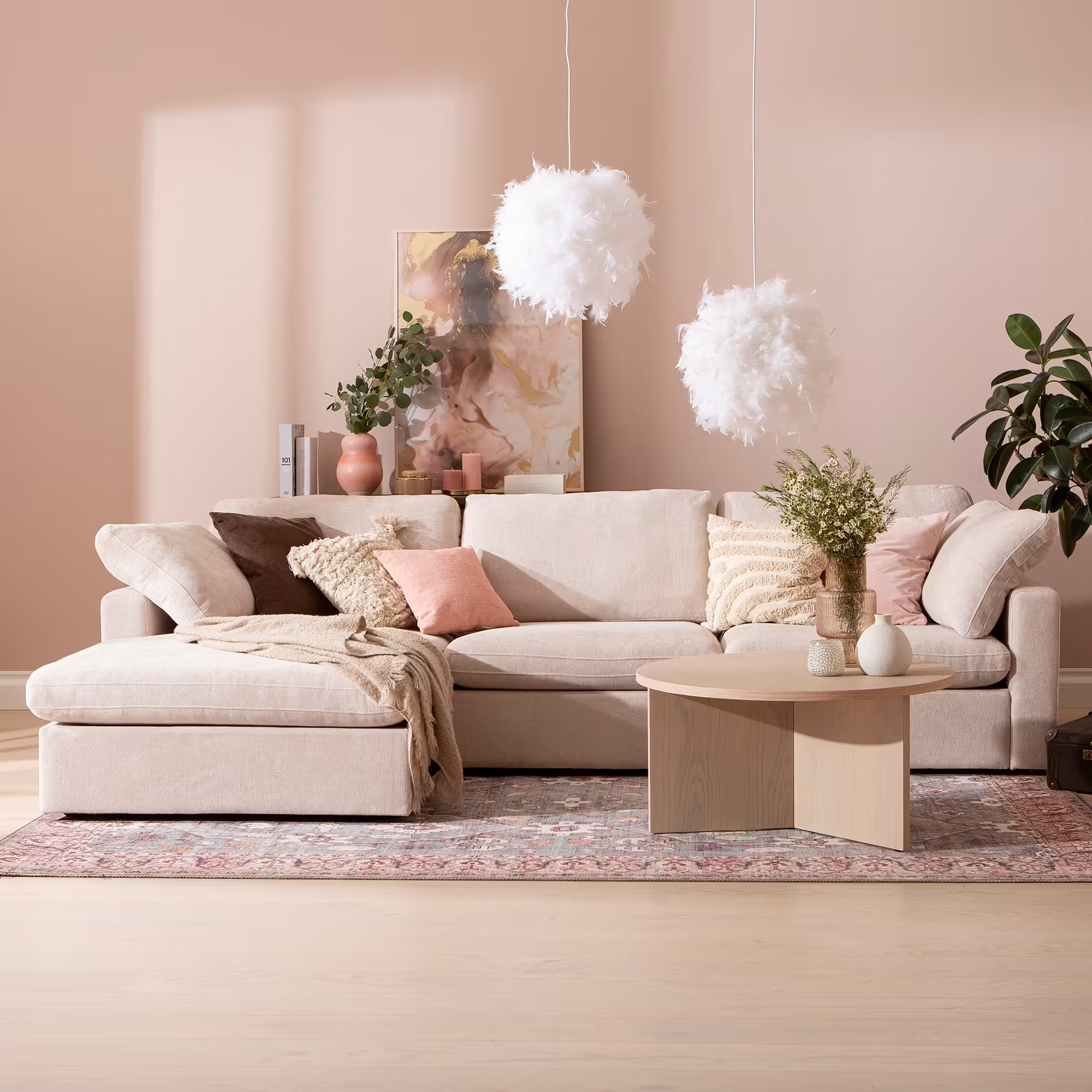
Fabric is the default comfort surface for sofas, armchairs, dining chairs and headboards because it softens contact surfaces and offers the broadest range of colours and textures.
The practical question is not just whether an item is fabric, but what kind. Dense performance fabric works in family rooms, while open decorative weaves are better for lower-friction accent pieces.
Care and design watch-outs
Moisture and wear note: Performance varies by fibre: natural-rich fabrics absorb more, synthetics usually dry faster.
Care note: Vacuum grit out of the weave and match cleaning to the actual fibre blend and backing.
Strengths
- wide design range
- comfortable hand feel
- good acoustic softening
Watch-outs
- performance depends on fibre blend
- open weaves can trap lint
- light colours show dirt faster
Browse related products